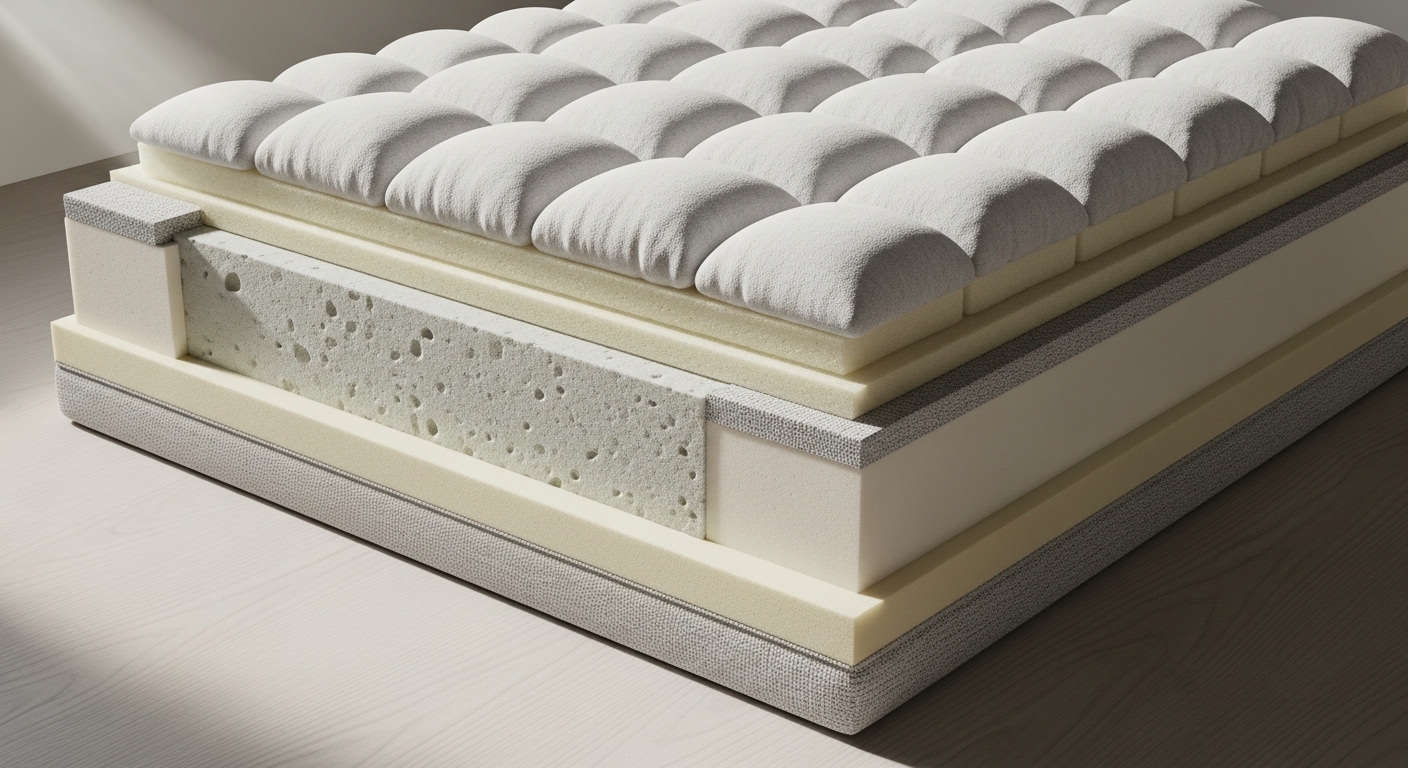
A saggy sofa can make even a clean living room feel tired. The good news: you don’t always need a new couch—sometimes you just need the right cushion insert/support to bring back that “full, fluffy” look and firmer sit.
Disclosure: Some links may be affiliate links. As an Amazon Associate I earn from qualifying purchases.
What this guide is (and who it’s for)
This is for you if your couch:
- dips in the middle or “hammocks” when you sit
- has cushions that slide, fold, or feel uneven
- looks flat even after fluffing
- needs a firmer base without replacing the whole cushion set
These picks focus on cushion supports/inserts that sit under or inside seating areas to restore shape, improve support, and reduce that lumpy-corner look.
Quick buyer’s checklist (so you don’t buy the wrong thing)
1) Measure first (2 minutes, saves headaches)
- Measure the seat width and seat depth where you feel the sag.
- If you’re placing a support under cushions, match the support size as closely as possible.
2) Choose the “type” that matches your problem
- Rigid board support: best for deep sag and weak seat base.
- Foldable panel support: best for moderate sag, easy setup, removable.
- High-density foam wedge/pad: best for spot fixes or shaping, softer feel than boards.
3) Your feel preference matters
- Want firmer, upright sit? Go board/panel.
- Want gentler lift? Go foam pad/wedge.
Best Couch Cushion Inserts/Supports
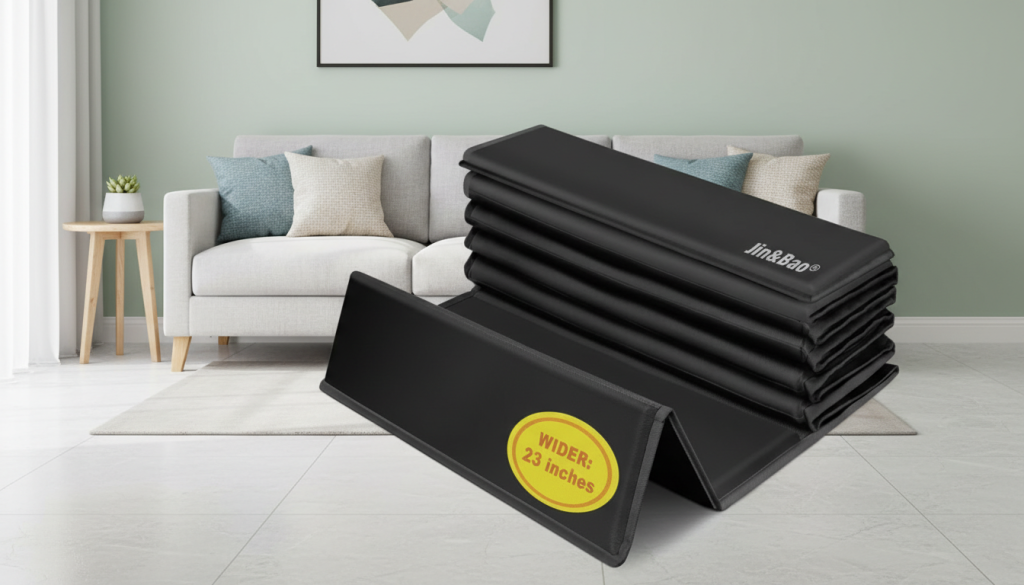
1) Solid Wood Under-Cushion Support Planks (Heavy-Duty, No-Flex Fix)
Best for
Deep sagging seats, older couches, or sofas that feel like the frame “gave up.”
Why it works
This style uses sturdy wood slats/planks placed under the cushions to create a new, firm foundation. It’s the most “structural” fix in this list—less about fluff, more about support and lift.
What I like
- Very effective for serious sag
- Simple concept: add a strong base, sit higher again
- Helps cushions look fuller because they’re no longer sinking
Downsides
- Firmer feel (some people love it, some need time to adjust)
- Needs correct sizing/placement to avoid shifting
Real-life take: If your couch sinks the moment you sit, this is the “stop the collapse” option.
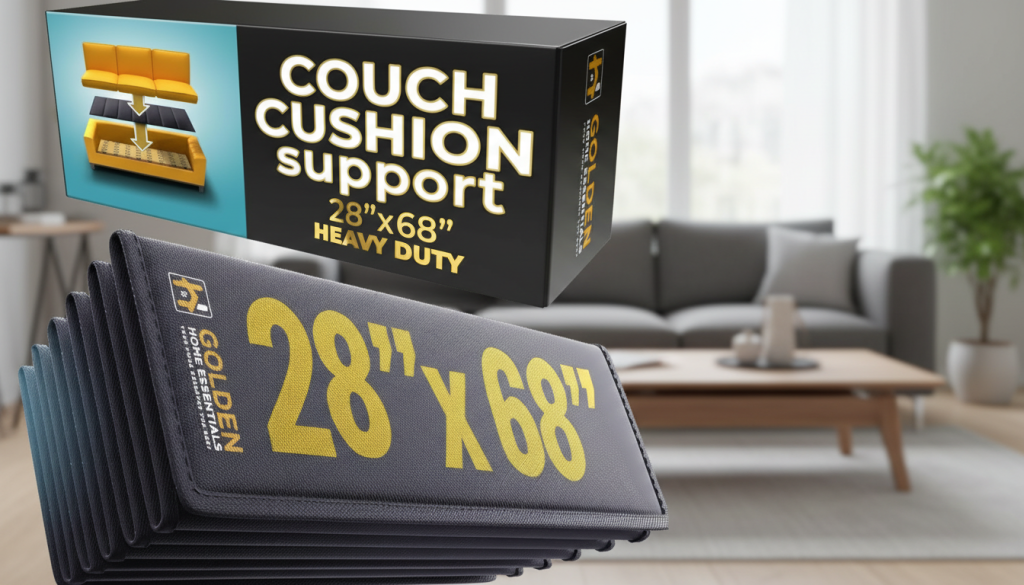
2) Extra-Long Rigid Cushion Support Board (Single-Piece, Wide Coverage)
Best for
Wide sofas where you want one clean platform under multiple cushions.
Why it works
A long rigid board spreads your weight more evenly across the seat area, reducing the “dip in one spot” problem and helping the whole couch look more level.
What I like
- Great even support across a wide seating span
- Less “patchy” than small supports
- Helps reduce that uneven/lumpy appearance from shifting cushions
Downsides
- Can be bulky to store if you ever remove it
- Some couches need a grippy liner so it doesn’t slide
Real-life take: This is the neat, “make the whole sofa feel newer” solution—especially for long seating areas.
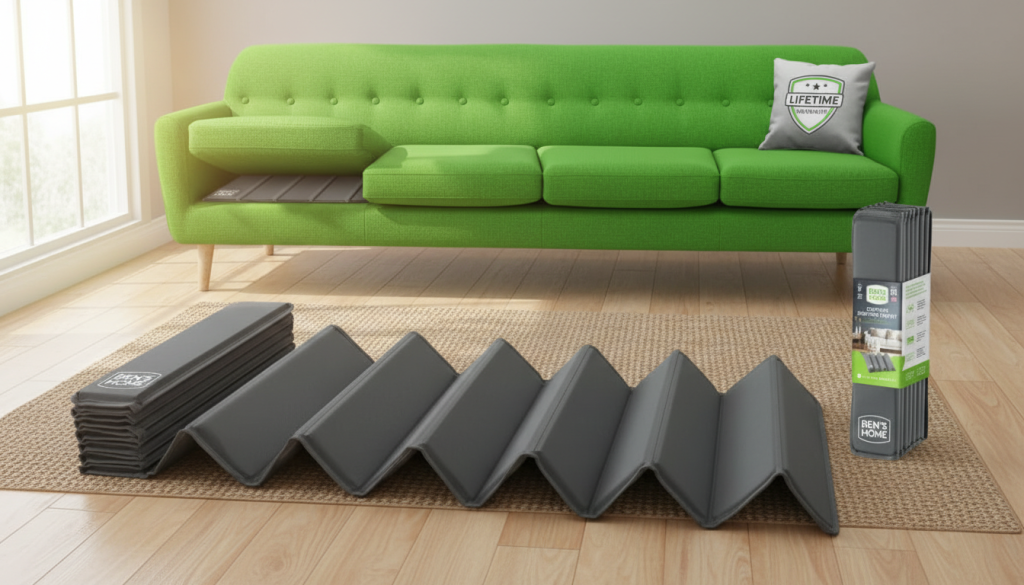
3) Foldable Panel Couch Support (Easy Install, Balanced Firmness)
Best for
People who want a noticeable improvement without turning the couch rock-hard.
Why it works
Foldable supports usually combine firm panels with a bit of flex, giving you lift and structure while staying a touch more comfortable than a solid board.
What I like
- Fast setup and easy to reposition
- Good for moderate sag and daily sitting
- Usually fits more couch shapes because it can flex slightly
Downsides
- May not fully fix very deep, “frame-level” sag
- Panel seams can create slight ridges if cushions are very thin
Real-life take: If you want a supportive sofa but still cozy for movie nights, this is often the best middle ground.
4) Curved High-Density Foam Support Pads (Targeted Lift, Softer Feel)
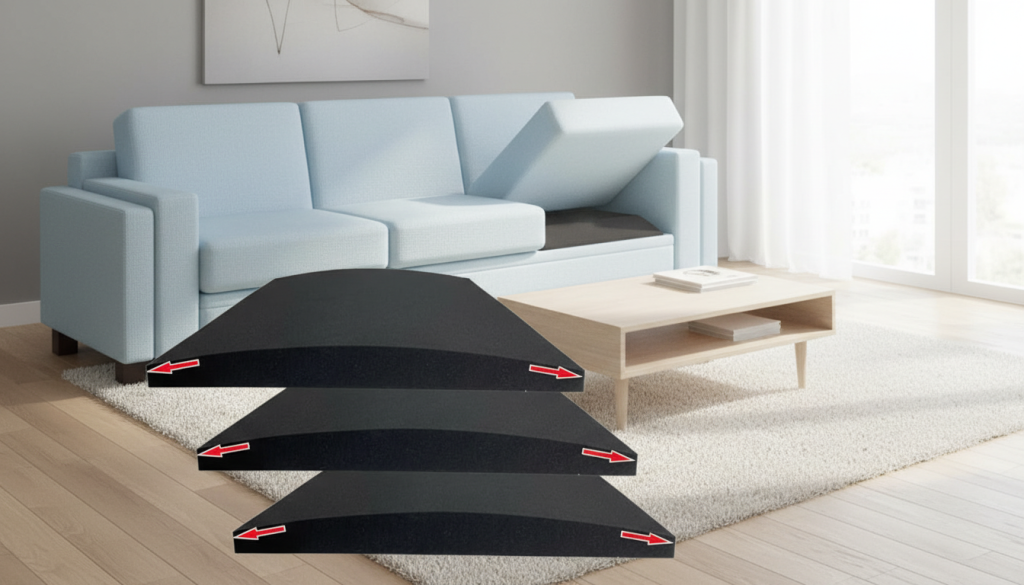
Best for
Spot fixes, corners that feel low, or sofas where you want lift without a hard board feel.
Why it works
High-density foam pads add gentle lift and improve shape. The curved design can help smooth transitions so cushions look less lumpy.
What I like
- Softer “feel” than boards
- Great for uneven spots and corner sag
- Helps reduce lumpiness if your cushions fold inward
Downsides
- Might compress over time if you want very firm support
- Not as effective as boards for severe sagging
Real-life take: This is the comfort-first option—especially if you’re sensitive to a firmer seat.
How to pick the best one for your couch
Choose a rigid board/planks if…
- your couch feels like it has lost its structure
- you sink low right away
- you want the most dramatic “lift”
Best match: #1 or #2
Choose a foldable panel if…
- your couch is “meh” but not totally gone
- you want support + comfort balance
- you might remove it occasionally
Best match: #3
Choose foam pads if…
- you want a gentler fix
- your sag is mostly corners/edges
- you hate the idea of a hard board under you
Best match: #4
My “Best Overall” pick
Best Overall: Foldable Panel Couch Support (#3)
It’s the most universally practical: noticeable lift, easy setup, and usually the best balance between support + comfort. For most living rooms, it’s the “fix it once and forget it” option.
Pro tips to avoid “lumpy corners” (this matters more than people think)
- Add a non-slip liner under the support (or between support and cushion) to prevent sliding.
- Center the support where you actually sit—don’t just align it perfectly with the cushion edge.
- If corners look lumpy, rotate cushions weekly (left ↔ right).
- For thin cushions, put a soft layer (like a thin blanket or pad) between a hard board and the cushion to smooth any ridges.
FAQ
Will this make my couch feel too firm?
Boards/planks can. Foldable panels are usually more balanced. Foam pads are the softest.
Does this replace cushion inserts?
Not exactly. These are support solutions that improve the base and shape. If your cushion filling is totally dead, you may still need new cushion inserts—this just prevents the “sink.”
How long do these fixes last?
Rigid supports tend to last the longest. Foam can compress over time depending on density and how often you sit in the same spot.